Modern dating
Why Do I Feel Anxious After Every First Date Lately?
Wednesday, July 8, 2026
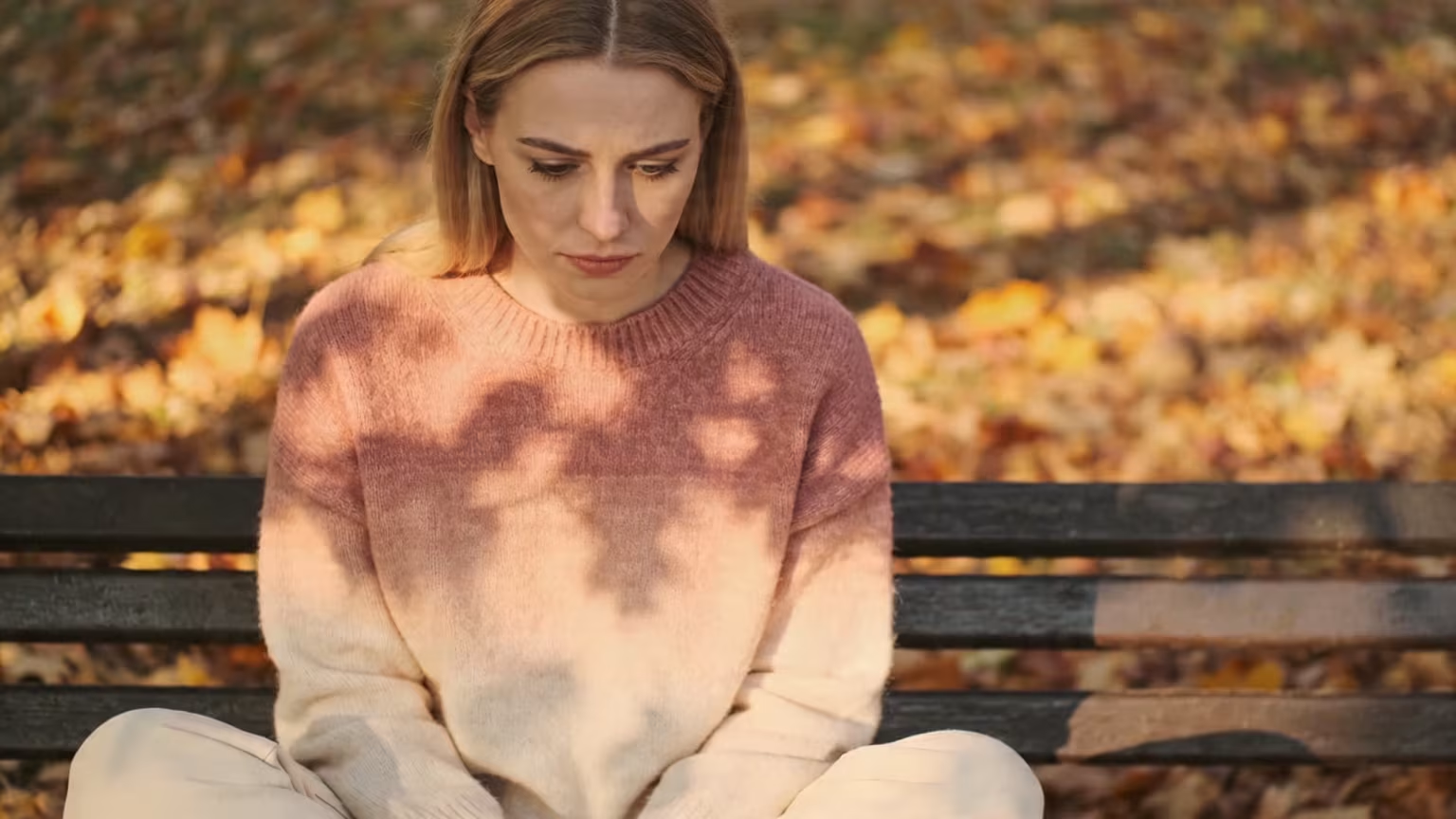





Over 70 percent of single adults report feeling significant anxiety around the modern dating experience, according to recent surveys from the American Psychiatric Association. This number matters because it shows that the nervous flutter in your chest is a widespread response to a high-pressure culture. You are not broken for feeling overwhelmed by the search for connection.
You might find yourself walking to your car after a perfectly pleasant evening, only to feel a sudden wave of panic wash over you. The date might have gone well, but your mind is already racing with questions about what comes next. You wonder if you talked too much, if they liked you enough, or if the silence at the end means they are not interested.
Your brain is trying to solve a puzzle before all the pieces are even on the table. This reaction is incredibly common, and it is entirely okay. Your nervous system is simply trying to protect you from the pain of rejection.
When you sit across the table from a stranger, your brain is doing heavy lifting. You are not just sipping coffee or sharing a meal. You are actively scanning for safety, compatibility, and mutual interest. This process takes a massive toll on your emotional reserves over time.
Think about the sheer volume of choices and interactions modern dating requires. We spend hours swiping, texting, and preparing for these meetings. By the time you finally sit down with someone, the stakes feel impossibly high. Your anxiety is a natural byproduct of this intense buildup.
I remember staring at my phone on a Sunday afternoon, willing it to light up with a message from him. The silence was deafening, and I spent hours analyzing every word I had said the night before. It was not until I finally put the phone in another room and made a cup of tea that I realized my worth was not tied to his response time. That tiny act of creating physical distance from the device was my first step toward reclaiming my weekends.
Every time we open ourselves up to a new person, our body remembers the times we were hurt before. If you have experienced lowercase heartbreak in the past, your nervous system stays on high alert. It wants to spot the danger early so you can avoid feeling that way again.
This means your anxiety is not actually about the person you just met. It is often an echo of a past relationship where you felt unsafe or unseen. Your mind is trying to cross-reference their behavior against a mental database of past letdowns. This hyper-vigilance is exhausting, but it comes from a place of deep self-preservation.
Sometimes, recognizing these old relational patterns is the only way to quiet the noise. When we understand why we react a certain way, we can start to offer ourselves compassion. You are simply a human being who wants to be loved safely.
Dating culture today pushes us to make instant judgments about a person. We expect to feel an immediate spark, and if we do not, we worry we are wasting time. This pressure to evaluate someone perfectly after a two-hour drink date is entirely unrealistic.
True connection takes time to build, and pacing is important. When you force your brain to decide if someone is your future partner immediately, it creates massive internal stress. Your anxiety spikes because you are demanding certainty in a situation that is inherently uncertain.
Allowing yourself to sit in the gray area is a profound act of self-care. You do not have to know how you feel about them right away. You just need to know if you would like to share one more hour with them.
When you get home from a date, resist the urge to immediately text your friends a full recap. This keeps you in an active, analytical state. Instead, give yourself permission to completely disconnect for at least thirty minutes.
Take a warm shower, change into your softest clothes, or make a calming cup of tea. Focus entirely on physical sensations rather than your swirling thoughts. This simple transition period tells your body that you are safe and that the evaluation period is over.
Save this gentle reminder for later. You can always process your feelings tomorrow when your mind is rested. Tonight is simply for coming back home to yourself.
Sometimes, the anxiety stems from feeling like you must perform perfectly. You might feel pressured to agree to plans that do not suit you. Setting a soft boundary can help you feel more in control of your own dating pace.
If someone asks you out for a second date before you feel ready, you do not have to say yes immediately. You can say, "I had a really lovely time tonight, but I have a busy week ahead. Let me check my schedule and get back to you by Wednesday." This gives you breathing room without shutting the door.
If you notice they avoid discussing basic relationship expectations, you can address it kindly. You might say, "I am really looking for someone who values clear communication. Does that align with what you are looking for?" This shifts the focus from winning them over to assessing if they are a good fit for you.
When the post-date panic sets in, we often ask ourselves if they liked us. We forget to ask the much more important question. Did we actually like them?
You are a complete, worthy person long before you step foot in a coffee shop. Your value does not increase or decrease based on whether a near-stranger wants a second date. Shifting your mindset from being chosen to being the chooser changes everything.
Repeat this to yourself the next time your chest feels tight. "I am safe, my worth is secure, and I am simply gathering information." This small mantra can bring you back to the present moment.
Dating should not feel like an emotional battlefield. If a specific person consistently leaves you feeling drained, confused, or anxious, it might be time to let them go. Your body is a deeply intelligent compass.
Pay attention to how you feel in the days following the date. If their communication style makes you feel uneasy, trust that feeling. You do not need hard proof of wrongdoing to decide a connection is not right for you. A consistent lack of peace is reason enough to step away.
If you find yourself constantly adjusting your personality to keep the peace, it is time to disengage. True compatibility requires you to be exactly who you are. The right person will feel like a long, deep exhale.
It is very common to feel physical symptoms like nausea or tension after a date. This is your body releasing the adrenaline and cortisol that built up during the event. A good date can still be highly stimulating to your nervous system.
Try to practice gentle distraction when the rumination loop starts. Tell yourself you are allowed to review the date for ten minutes, and then you must change activities. Doing something tactile like washing dishes or stretching can break the mental cycle.
Yes, feeling a sense of dread is completely normal, especially if you are experiencing dating fatigue. It often means you are tired of the emotional labor required to meet new people. If the dread persists for weeks, it might be helpful to take a complete break from dating.
There is no perfect timeline, and game-playing only increases anxiety. If you had a good time, sending a brief, kind text the next morning is perfectly fine. Focus on your own comfort rather than following an arbitrary rule.
The soft hum of the refrigerator in your kitchen is a quiet reminder that the world continues to spin, regardless of how a Tuesday night drink turned out. You are safe in your own company, and your peace will always be your truest home.

A collective of writers and researchers specializing in behavioral psychology and relationship recovery.


Uncrumb is a calm space for honest relationship advice. Follow us for new guides, small reminders and gentle support when love feels confusing.
Mental-health expert Prakriti Saxena Poddar warns that repeatedly using AI chatbots for relationship reassurance reinforces anxiety and weakens self-trust.
Continue reading
Uncrumb is a calm corner of the internet for women who want kinder love choices. Read the guides that fit your story, take what helps and return whenever you need a bit more clarity.