Self worth and boundaries
How to Stop Measuring Your Worth by Someone Else's Love
Wednesday, August 5, 2026
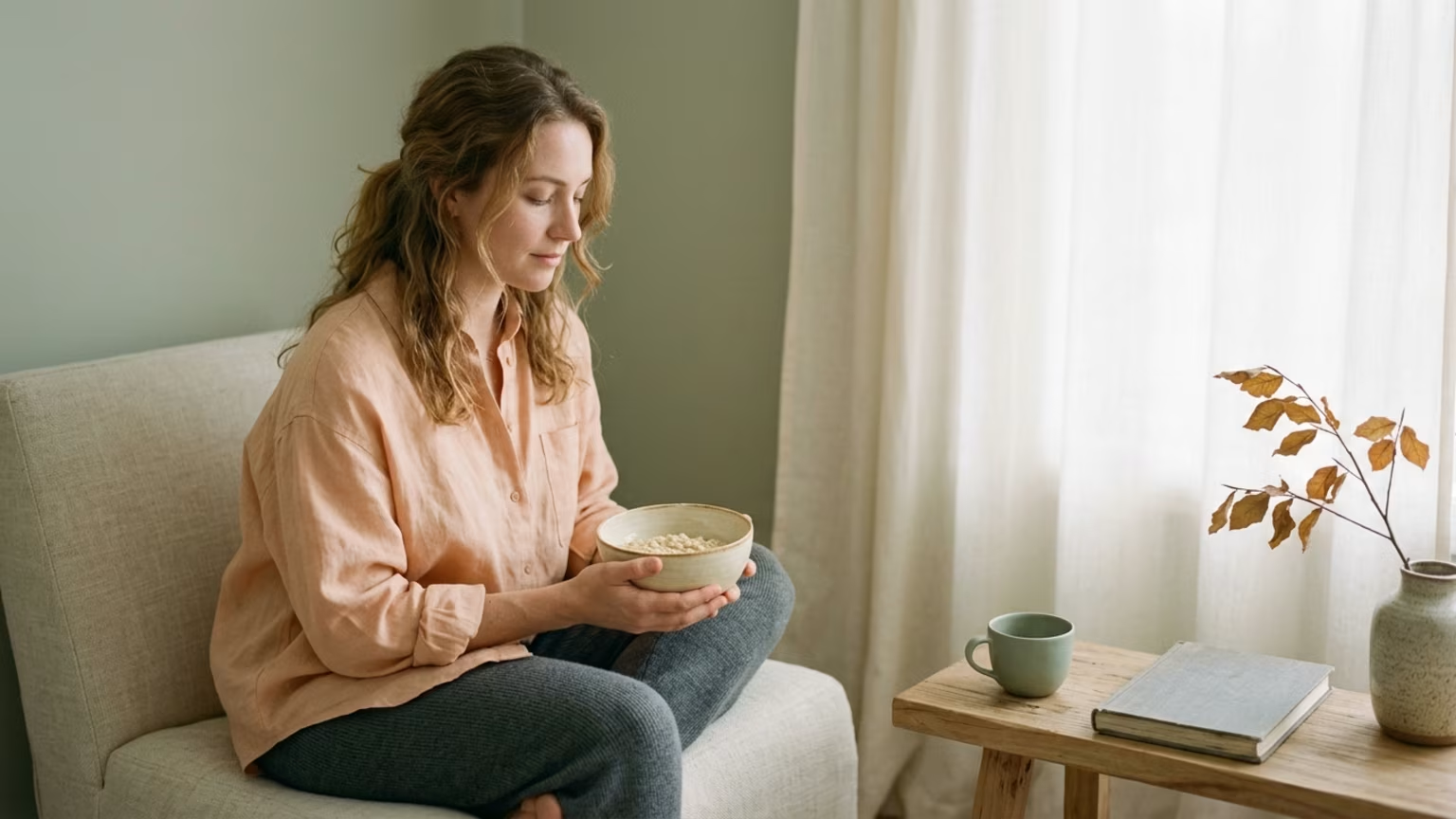





The glowing screen on your nightstand lights up at midnight. You read the short text message and feel a sudden wave of relief wash over you. For the next hour, you finally feel beautiful and enough.
Psychologists use the term relationship-contingent self-esteem for a pattern in which a person’s self-worth rises and falls with the state of a romantic relationship. In simpler terms, it means relying on a partner's mood to decide if you have value.
This cycle of waiting for validation is utterly exhausting. When a connection feels secure, you might feel completely invincible. When a partner goes quiet, your confidence can crash instantly.
The pain goes far deeper than ordinary disappointment over canceled weekend plans. It hurts so deeply when silence feels like a final verdict on your lovability.
You are not just missing a familiar voice. You are watching your entire sense of identity collapse under the weight of someone else's distance. Every delayed reply feels like proof that you are fundamentally unworthy.
This dynamic turns modern dating into an emotional rollercoaster. You start questioning everything you said during your last date. You wonder if you were too needy or not interesting enough.
Navigating this type of heartbreak is incredibly lonely.
Many of us have spent long weekends staring at our phones. We analyze the punctuation in a simple text message. We ask our closest friends to decode a perfectly normal interaction.
The mental energy required for this constant monitoring leaves us completely depleted.
In our experience, the hardest part is the deep shame that follows the anxiety. You might judge yourself for caring so deeply about someone who offers so little consistency. That harsh internal criticism only makes the original pain feel much worse.
A healthy connection naturally affects your mood. It is perfectly normal to feel sad or disappointed when things feel disconnected. The line gets crossed when romantic approval becomes your only source of emotional safety.
You might be experiencing this pattern if you notice a few familiar feelings.
You might cancel your own plans just to remain available in case they finally call. You could find yourself editing your personality to seem more appealing to them. You apologize for expressing basic needs so you do not push them away.
These signs point to an internal belief that you are only okay if someone else confirms it. It is exhausting to constantly search for clues about your own worth. If you are stuck in this exhausting cycle, reclaiming your narrative can help you find solid ground.
People are relational beings who naturally seek comfort from others. A 2026 study reported that partner affirmation was associated with higher relationship quality, greater life satisfaction, and lower depression. The researchers noted that movement toward a person's ideal self helped explain these positive outcomes.
Healthy support nourishes your existing identity instead of replacing it entirely. A caring partner helps you grow stronger in your own values. They do not demand that you abandon yourself to keep them around.
A supportive partner understands your needs and responds with genuine care. Perceived partner responsiveness is the felt experience that a partner understands, cares about, and appreciates you.
It is not just about getting constant text messages throughout the day. It is about feeling truly seen and respected.
Our team at uncrumb has heard countless stories from women who feel trapped in this dynamic. We offer guides on how to stop chasing approval and start trusting your own voice through gentle steps, simple boundaries, and calm self-trust practices designed for relationships.
You can build a strong foundation of self-trust through these small steps. This process does not mean you have to stop desiring love. It means learning to receive love as nourishment rather than using it as a measurement device.
Anxious thoughts often turn uncertainty into a harsh judgment about your worth. When a partner seems distant, try separating the observable facts from your internal story. The fact might be that they have not replied to your text since noon.
The internal story might tell you they are losing interest entirely. Recognizing this difference creates a little bit of breathing room for your anxious mind. You can observe the delay without treating it as literal proof of rejection.
Reassurance is a normal and human desire after a misunderstanding. Asking vague questions rarely provides the lasting comfort you seek. Try to identify the specific need hiding beneath your anxiety.
You might simply need clarity about weekend plans or a moment of physical affection. Direct requests give a responsive partner a chance to actually meet your needs. Creating this gentle framework for your boundaries builds incredible self-trust.
If you feel an overwhelming urge to ask for reassurance again, pause for just a few minutes. Notice the physical discomfort in your body without rushing to fix it. Allow the uncertainty to exist for a short time.
This practice helps you test whether you actually need new information. Sometimes you are just looking for a temporary reduction in your own anxiety. Learning to sit with mild discomfort strengthens your internal resilience.
When a partner pulls back unexpectedly, your first instinct is likely a desperate search for answers. You want to know exactly what they are thinking and feeling. This urgency comes from a deep desire to restore a sense of safety.
True safety rarely arrives in a single text message or a hurried conversation. It is built slowly over time through consistent and reliable actions. Giving yourself permission to simply not know the answer right now is a powerful step forward.
You can survive the temporary uncertainty without compromising your own peace.
Insecurities will still bubble up from time to time. You can meet those fears with warmth instead of harsh self-judgment. Acknowledge that feeling afraid is a deeply human response to uncertainty.
Self-compassion involves responding to suffering with mindfulness, self-kindness, and recognition that difficulty is part of common humanity. Try telling yourself that you can support your own heart through the discomfort. You do not have to attack yourself for wanting to feel deeply loved.
A romantic partner should never be your only source of meaning in life. Make regular time for friendships, quiet hobbies, and your own private rituals. Protect the soft spaces in your life that belong only to you.
This intentional distance helps keep love as just one part of your world. You can cherish a beautiful connection without letting it consume your entire identity. Your value exists long before anyone else arrives to witness it.
It is crucial to measure a relationship by its overarching patterns rather than isolated moments. Ask yourself if this person consistently listens and responds with care. Notice if you feel free to express your needs openly.
A single quiet evening does not automatically equal emotional unavailability. One affectionate text message does not establish long-term safety either. Look for a consistent pattern of understanding and true regard.
If relationship anxiety repeatedly disrupts your daily life or sleep schedule, reaching out for professional support is a beautiful act of self-care. If your recent heartbreak has led to severe self-criticism, a licensed mental-health professional can offer valuable guidance. You never have to navigate the heavy stuff alone.
Give yourself the grace to build internal validation slowly, remembering that your inherent worth is never up for debate.
Take a deep breath and trust your own steady heart today. We are always cheering you on at uncrumb.

A collective of writers and researchers specializing in behavioral psychology and relationship recovery.


Uncrumb is a calm space for honest relationship advice. Follow us for new guides, small reminders and gentle support when love feels confusing.
Learn how to tell the difference between a partner needing healthy space and using the silent treatment as emotional control. Protect your peace today.
Continue reading
Uncrumb is a calm corner of the internet for women who want kinder love choices. Read the guides that fit your story, take what helps and return whenever you need a bit more clarity.