Attachment and psychology
How the Illusion of Endless Online Dating Options Harms Commitment and Fuels User Fatigue
Thursday, September 3, 2026
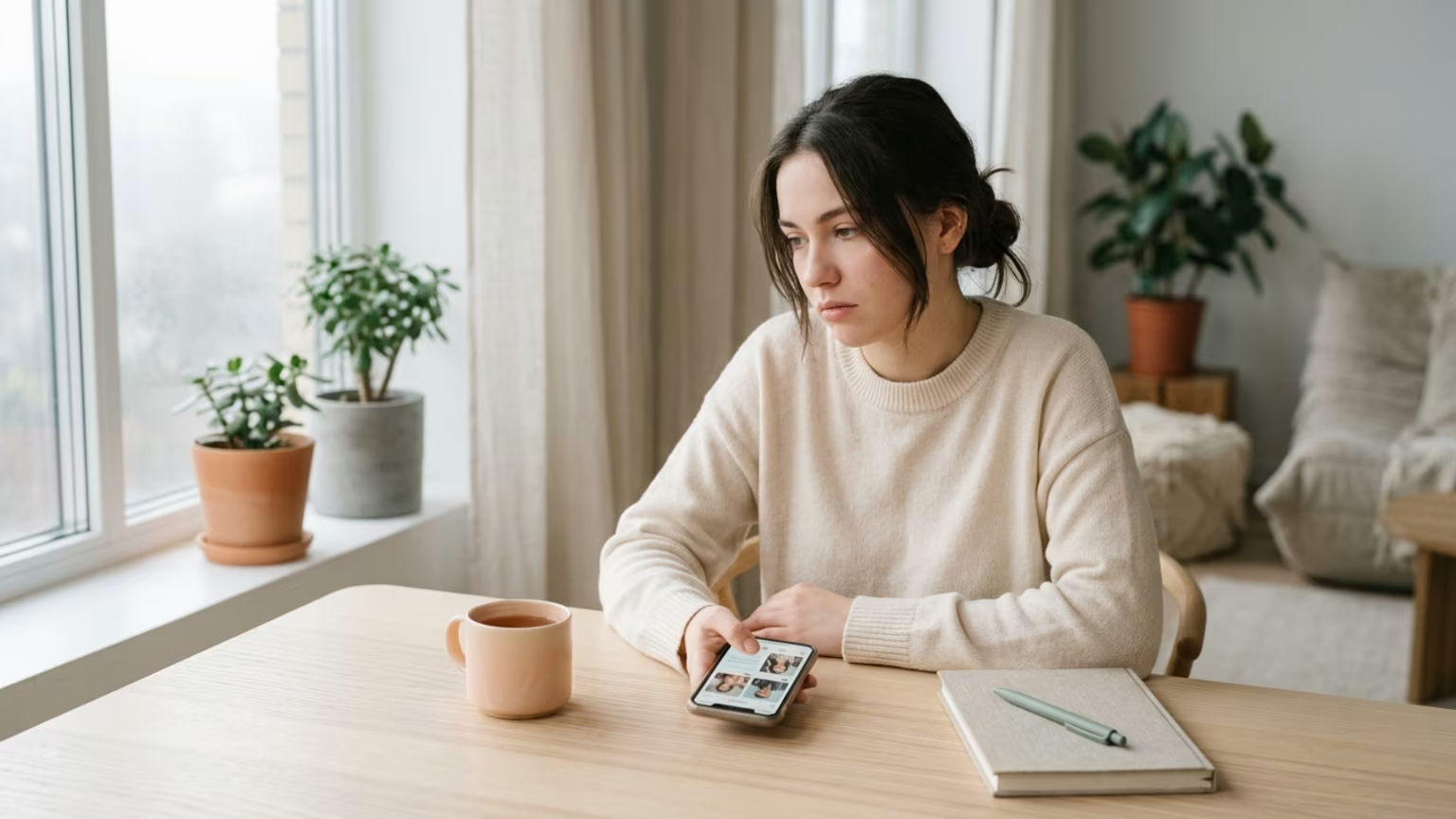





A glowing phone screen illuminates the quiet room. You stare at a perfectly nice text from someone you just met. Instead of typing a reply, your thumb opens the app to see who else might be out there. The endless options make it hard to tell the difference between looking for love and getting lost in the search.
It is completely normal to feel confused when your phone holds thousands of potential partners. The line between being selective and being avoidant is incredibly thin when you have a history of heartbreak. We want to protect ourselves from getting hurt again.
Psychologies Magazine recently named this feeling in an August 24, 2026, article about "next profile syndrome." They describe it as the belief that a more attractive or compatible person might appear right after your current match. This mindset creates a subtle distance in your current dating life. It encourages you to compare more and invest less.
When chemistry is running high, this mindset makes it incredibly difficult to ground yourself. A new match feels like fresh hope. A current date suddenly feels like a compromise. The apps keep your new relationships deliberately provisional and fragile.
The magazine explains that dating platforms create a profound feeling of perceived abundance. We start comparing a real person with normal flaws to a flawless imaginary future partner. This fear of missing out pushes us to avoid the slower process of real intimacy.
The technology itself is not entirely to blame for our dating struggles. A report summarizing Stanford research notes that 39% of heterosexual U.S. couples who met in 2017 first connected online. Applications do facilitate real connection for many people. The tension arises when the sheer volume of choices changes how we think about commitment.
The constant evaluation takes a massive physical and emotional toll. Recent coverage describes dating platforms as using gamified interaction patterns that can encourage continued engagement. This endless searching is closely associated with emotional exhaustion and lower self-esteem.
A University of Melbourne student-union feature recently highlighted how deeply this affects women. The feature noted that women described app dating using terms including fatigue, failure, and frustration. Many felt they used apps out of necessity and found it difficult to stop.
It becomes incredibly frustrating to pour your energy into repetitive introductions and conversations that end abruptly. This repeated exposure to early-stage dating uncertainty leaves you completely drained. You might start assuming that every new person will eventually disappear.
This routine can slowly erode your hope for a real connection. Coverage of a 2026 BMC Psychology study examined 664 Iranian adults and their relationship with dating apps. The researchers found that problematic use was associated with weaker beliefs that romantic love is meaningful and enduring.
You might find yourself treating minor early disagreements as proof that the relationship is failing. The constant comparison makes every normal bump in the road feel like a reason to run away. Learning how to trust your feelings becomes much harder when the apps create environments of rapid evaluation that leave little room for grace.
These quick judgments rob you of the chance to truly know someone. A quiet date or an imperfect conversation is often just part of the natural getting-to-know-you phase. When the screen is always flashing with new faces, it feels easier to discard a good match than to work through the awkwardness.
You might notice a persistent feeling of numbness when opening your phone. The thrill of matching with someone new fades quickly into a heavy sense of obligation. It feels like working a second job where the pay is just more uncertainty.
Over time, this pattern creates a deep sense of isolation. You spend hours swiping, yet you feel more lonely than when you started. It is a deeply draining cycle that feeds on your deepest insecurities.
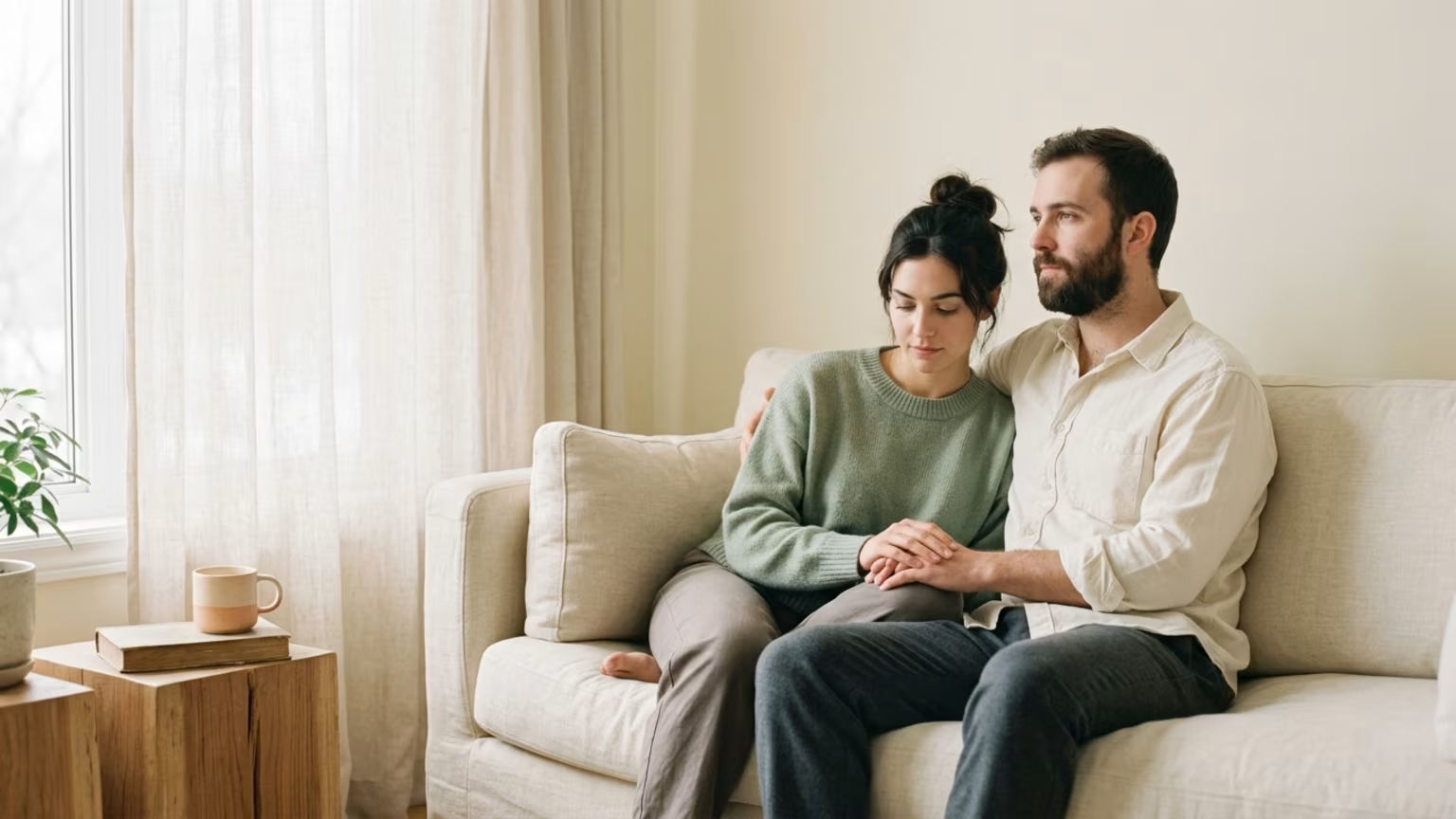
Finding relief means choosing to slow down and focus on the person sitting across from you. Healthy attachment requires tolerating uncertainty and periods that are simply less exciting than the first swipe. It feels terrifying at first, but it is the only way to build real trust.
We teach that boundaries don't need to be sharp or cold. Through our guides, we help people understand that boundaries can be warm and plain, even just one sentence. We frame a boundary as a clear map that tells people how to be close to you without hurting you, making the practice feel less harsh and more compassionate.
Setting a small limit on your app usage is a beautiful boundary for your own heart. You can choose to pause the endless search when you meet someone who treats you with respect. Creating small limits around dating apps is a practical way to honor your self-worth.
Remember that the apps are not a magic solution for loneliness. Psychologies Magazine cites research involving more than 5,000 Norwegian students that looked at Tinder use and relationship success. Tinder users initially appeared more likely to form a couple. However, that association disappeared after researchers accounted for personality characteristics like extraversion.
The technology only introduces you to people. It cannot build the quiet safety of a shared Sunday morning or a comforting conversation after a long day. You can slowly learn how to recognize real connection without relying on the validation of a new match.
Separating genuine incompatibility from normal early uncertainty is a delicate skill. A lack of respect or persistent emotional unavailability are valid reasons to walk away from a connection. A quiet date or an imperfect conversation might simply be part of getting to know someone new.
Rebuilding trust in your own standards takes time and patience. A healthier approach is to ask yourself if you feel safe and respected with the person sitting across from you. This simple question preserves your discernment without demanding perfect certainty at the very beginning of a relationship.
True peace comes from nurturing a single connection and letting it grow at its own natural pace. You deserve the chance to be seen for who you really are. That kind of visibility only happens when both people decide to stop looking for someone better.
Navigating modern romance is incredibly taxing on a tender heart. It is perfectly okay if you need to take a long break to heal your own heartbreak. You do not have to participate in the swiping culture if it makes you feel empty.
If swiping repeatedly leaves you anxious or unable to stop, seek support from a qualified professional. Taking a step back is a beautiful act of self-protection. You are allowed to protect your energy fiercely and unapologetically.
Next time you feel the urge to open an app while sitting with a new connection, take a deep breath. Ask yourself: "Am I looking for someone better, or am I just afraid of letting this person see the real me?"
Let that answer be your guide as you navigate the days ahead. You deserve a love that feels steady, warm, and entirely present. Uncrumb is always here to offer a safe space for your healing journey.

A collective of writers and researchers specializing in behavioral psychology and relationship recovery.


Uncrumb is a calm space for honest relationship advice. Follow us for new guides, small reminders and gentle support when love feels confusing.
A gentle look at dating pressure, relationship history, and why wanting love does not mean accepting a relationship that feels wrong.
Continue reading
Uncrumb is a calm corner of the internet for women who want kinder love choices. Read the guides that fit your story, take what helps and return whenever you need a bit more clarity.